8/05/2010

Back To Basic - Your Camera Buddy

We all know cameras are cool, but how much do you know about 
camera hardware and accessories? If the answer is "not a lot," read on!

Most camera hardware is designed for SLR cameras, and not point and shoot cameras. 
But, I don't like to make people feel left out! For those of you out there with a point 
and shoot camera, you can still pick up some cool accessories like camera bags, 
tripods, and media cards to enhance your digital photography. 

Most camera hardware options contradict the benefits of a point and shoot camera 
anyway, namely: convenience, ease of use, and small size for portability. 
When you start adding hardware, things become a little more advanced.

For those of you who have SLR cameras (or hope to get one this holiday season!), 
here are a few hardware options you might be interested in:


External Flash
Your SLR camera already comes with a built in flash, which is fine for snapshots 
and candid photos, but really only works well when the subject is within 15 feet. 
Also, the built in flashes almost always give people red eye, because the flash 
and the lens are so close together and are pointed at the same angle when you
 take a photo. 
flash-camera

An external flash allows you to move the flash away from the lens and use a 
different angle to light your shot. Even moving it 6-12 inches away from the 
lens can eliminate red eye, though if you are shooting from a long distance 
away, you will need at least a few feet between the lens and the flash.
flash-external

External flashes also allow you to use a technique the pros use all the time: 
bounce the flash. Tip the flash up so the light hits the ceiling in an indoor shot. 
The light will bounce off the ceiling and fall onto the subjects, rather than shoot 
straight at them like a built in flash. This gives the photo a more natural lighting 
effect. 

Or, use a rubber band to attach a business card to the top of the external flash to 
reflect the light up and forward at the same time. This enhances the light in your 
photos even more and eliminates the dark eye effect (the dark eye effect is when
 the eyes have a shadowy look from the light coming down from above). 
Your photos will get exponentially better with just this one technique. 
bounce-flash

Lastly, if you buy an external flash, purchase a sync cord, which lets you move 
the flash several feet away from the camera. A sync cord automatically triggers 
the flash when you take a photo, regardless of where the flash is in relation 
to the camera.


Lenses
Different lenses are one of the reasons pros use SLRs as opposed to point 
and shoot cameras. 
Most SLRs come with a zoom lens you can attach and remove, but there 
are plenty of other options out there. 
A wide angle lens (18mm, 24mm, 28mm, or 35mm) 
expands the horizons in your shot and makes photos appear more like how 
our eyes see things. This is a great lens for nature landscapes or for shooting in a room. lens-wide-landscape

A portrait lens (105mm or 135mm) shortens the background and gives peoples' 
faces the correct proportions that often appear slightly incorrect with other lenses. 
As the name suggests, this lens is good for portraits and close up shots.
  lens-distorted-edges lens-portrait

Long lenses you often see sports photographers using help you get 
closer to your subject. But, they do more than bring you closer to the action; 
they also help isolate the subject by throwing the background out of focus. 

As far as pricing is concerned, you get what you pay for. Most high quality 
lenses are several hundred dollars or more. The less expensive ones let less 
light in than the more expensive ones. They are still quality lenses, but are 
not as versatile. Visit your local store to see what lenses are available. 
Bring in your camera to try them out. 


Tripods
Tripods are an important tool for any photographer. Most pro photographers never 
hold a camera in their hands during a photo shoot, simply because their hands 
are not as stable and trustworthy as a tripod. Tripods come in a variety of sizes, 
styles, and weight allowances. Search your local store for the right tripod to 
match the rest of your equipment. The best news? Tripods don't discriminate; 
both SLRs and point and shoots can sit on a tripod! 

source: Ritzpix.com

Continue Reading...

Back To Basic - Your Camera Buddy

We all know cameras are cool, but how much do you know about 
camera hardware and accessories? If the answer is "not a lot," read on!

Most camera hardware is designed for SLR cameras, and not point and shoot cameras. 
But, I don't like to make people feel left out! For those of you out there with a point 
and shoot camera, you can still pick up some cool accessories like camera bags, 
tripods, and media cards to enhance your digital photography. 

Most camera hardware options contradict the benefits of a point and shoot camera 
anyway, namely: convenience, ease of use, and small size for portability. 
When you start adding hardware, things become a little more advanced.

For those of you who have SLR cameras (or hope to get one this holiday season!), 
here are a few hardware options you might be interested in:

External Flash
Your SLR camera already comes with a built in flash, which is fine for snapshots 
and candid photos, but really only works well when the subject is within 15 feet. 
Also, the built in flashes almost always give people red eye, because the flash 
and the lens are so close together and are pointed at the same angle when you
 take a photo. 
flash-camera

An external flash allows you to move the flash away from the lens and use a 
different angle to light your shot. Even moving it 6-12 inches away from the 
lens can eliminate red eye, though if you are shooting from a long distance 
away, you will need at least a few feet between the lens and the flash.
flash-external

External flashes also allow you to use a technique the pros use all the time: 
bounce the flash. Tip the flash up so the light hits the ceiling in an indoor shot. 
The light will bounce off the ceiling and fall onto the subjects, rather than shoot 
straight at them like a built in flash. This gives the photo a more natural lighting 
effect. 

Or, use a rubber band to attach a business card to the top of the external flash to 
reflect the light up and forward at the same time. This enhances the light in your 
photos even more and eliminates the dark eye effect (the dark eye effect is when
 the eyes have a shadowy look from the light coming down from above). 
Your photos will get exponentially better with just this one technique. 
bounce-flash

Lastly, if you buy an external flash, purchase a sync cord, which lets you move 
the flash several feet away from the camera. A sync cord automatically triggers 
the flash when you take a photo, regardless of where the flash is in relation 
to the camera.


Lenses
Different lenses are one of the reasons pros use SLRs as opposed to point 
and shoot cameras. 
Most SLRs come with a zoom lens you can attach and remove, but there 
are plenty of other options out there. 
A wide angle lens (18mm, 24mm, 28mm, or 35mm) 
expands the horizons in your shot and makes photos appear more like how 
our eyes see things. This is a great lens for nature landscapes or for shooting in a room. lens-wide-landscape

A portrait lens (105mm or 135mm) shortens the background and gives peoples' 
faces the correct proportions that often appear slightly incorrect with other lenses. 
As the name suggests, this lens is good for portraits and close up shots.
  lens-distorted-edges lens-portrait

Long lenses you often see sports photographers using help you get 
closer to your subject. But, they do more than bring you closer to the action; 
they also help isolate the subject by throwing the background out of focus. 

As far as pricing is concerned, you get what you pay for. Most high quality 
lenses are several hundred dollars or more. The less expensive ones let less 
light in than the more expensive ones. They are still quality lenses, but are 
not as versatile. Visit your local store to see what lenses are available. 
Bring in your camera to try them out. 


Tripods
Tripods are an important tool for any photographer. Most pro photographers never 
hold a camera in their hands during a photo shoot, simply because their hands 
are not as stable and trustworthy as a tripod. Tripods come in a variety of sizes, 
styles, and weight allowances. Search your local store for the right tripod to 
match the rest of your equipment. The best news? Tripods don't discriminate; 
both SLRs and point and shoots can sit on a tripod! 

source: Ritzpix.com
Continue Reading...

7/31/2010

How many shutter releases has my new Nikon D90 been tested?


Nikon DSLR cameras incorporate a shutter mechanism capable of moving extremely fast to help capture split second detail. The mechanical precision required to achieve shutter speeds up to 1/8000s is awe inspiring. However as with everything mechanical, it will likely need to be serviced or replaced someday.
There is no way to accurately tell the total number of times your camera shutter has released. While there are third party software applications designed to read a cameras shutter count, this number is not always accurate because the shutter release times may be reset by firmware updates, or reset in the Service department if certain parts are replaced or other operations are performed.
Since an exact number of releases before failure cannot be exactly calculated, a formula is used to estimate when it may occur, called MTBF ( Mean Time Between Failures). MTBF is a mathematical system that uses statistical analysis to project an average expected 'lifespan' of a given item. Based on testing and past performance, along with service information, we can formulate an estimated average number of shutter releases ( also referred to as actuations orcycles ) that can be expected before probable shutter failure.
The term Mean is referring to a mathematical average and not to an exact number- the actual amount may be higher or lower. We have compiled a short list of several Nikon models and the test data for each. Data is only available for the models listed below.

DSLR Model
 Estimated number of Shutter Actuations
 D3 - series
tested to 300,000 cycles
 D700
tested to 150,000 cycles
 D300(s)
tested to 150,000 cycles 
 D90
tested to over 100,000 cycles 
 D5000/D3000
tested to over 100,000 cycles


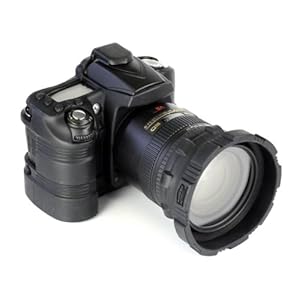
Reinforced Camera Guard Protection System for Nikon D90 SLR Cameras
Continue Reading...
 

About Me

We Share Nikon D90 Tricks & Tips & Knowledge. Learn Taking Photo To The Next Level Like Professional. Get Update New Nikon Products Service All Around The World. View Great D90 Picture From Pro & Share Your Experience To The CLUB
"Aston inspired me about Nikon D90 when I saw him on the TV. Since then I start to learn about Nikon & Photography".

Nikon D90 CLUB